
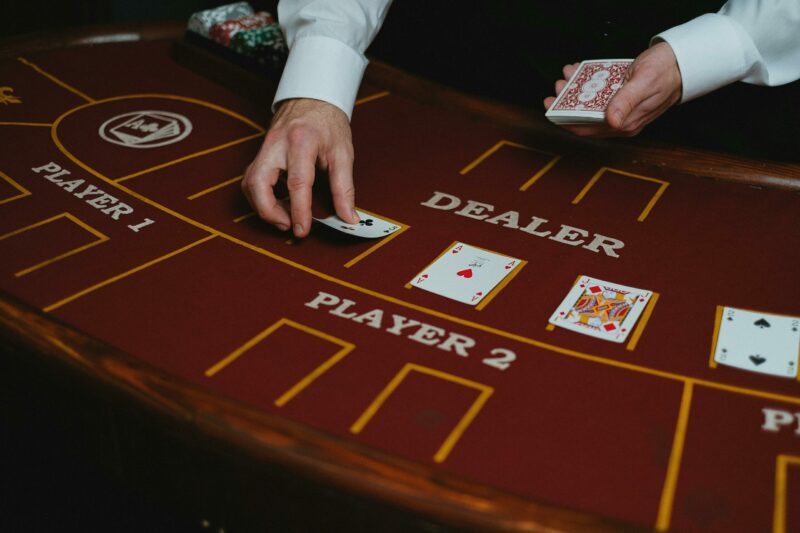

Online casinos offer two main types of experiences – automated slots and live dealer tables. Both appeal to different players, and both rely on technology to simulate chance. But how do they really compare?
This post looks beyond preference and considers what makes each option distinct. From structure and pace to odds and interactivity, understanding the differences can help you decide whether the atmosphere of a live casino or the simplicity of a slot game fits you better.
The Core Difference Between Slots and Live Dealer Games
At first glance, the separation seems simple: slots are automated, and live dealer games involve real people. But the distinction goes deeper.
- Slots rely entirely on software and random number generators (RNGs) to produce results.
- Live dealer games stream an actual table, real cards, and professional hosts from a studio.
That distinction affects every part of the experience. How results appear, how quickly rounds move, and how much control the player feels over each outcome.
Slots offer immediate feedback. You click, spin, and see results instantly. Live dealer games introduce human timing, pauses, and visual interaction. It’s the difference between simulation and broadcast.
How Live Dealer Casinos Work
A live casino uses a real-time video feed from a dedicated studio or casino floor. Each table – roulette, blackjack, baccarat, or poker – is operated by a trained dealer. Players join virtually through an interface that overlays betting options on the live stream.
The dealer performs the same actions they would in person: shuffling cards, spinning wheels, and announcing results. The technology behind it synchronises these actions with each player’s on-screen choices.
A few core systems make this possible:
- Game Control Units (GCUs): Small devices that encode live video and track outcomes digitally.
- Optical Character Recognition (OCR): Converts physical card or wheel data into on-screen results instantly.
- User Interface Integration: Connects bets, payouts, and chat functions to the live feed.
Together, they create a seamless bridge between physical casino realism and online accessibility.
How Slot Games Work
By contrast, slots run entirely on code. Every spin is determined by an RNG, which produces random results without pattern or prediction.
Modern slot design includes paylines, symbols, and bonus mechanics layered over those mathematical foundations. The visuals, sounds, and animations make the experience engaging, but the underlying logic remains the same – random outcomes within predefined probabilities.
Developers can vary volatility, payline structure, and bonus frequency, but they cannot influence randomness once the game is certified. That’s why slots are consistent in structure even as themes and styles change.
Pacing and Player Experience
The difference in tempo is one of the most obvious distinctions between slots and live dealer games.
- Slots: Fast, constant, and player-controlled. You decide when to spin, pause, or adjust bets.
Live Dealer: Structured rounds with built-in timing. Each hand or spin follows a schedule controlled by the host.
This pacing shapes how each game feels. Slots deliver immediacy – quick cycles of risk and reward. Live dealer sessions unfold more slowly, giving space for observation and conversation.
Some players find the rhythm of live play more immersive, while others prefer the efficiency of automated spins. Neither is inherently superior; it depends on how much time and interaction you want in each session.
The Social Element
The defining feature of live casino games is the social layer. Players can interact with dealers through chat and, in some cases, see messages from others at the table.
This creates a sense of shared space that slots can’t replicate. While automated games focus on solitary play, live dealers offer a semi-social experience.
It’s one reason many people see live dealer gaming as closer to traditional casino play – you’re not just facing software but a person managing the table in real time.
Still, the communication remains structured and moderated. The goal isn’t conversation for its own sake but maintaining the rhythm and integrity of the game.
Game Variety and Choice
Slots dominate the number of available titles in any online casino. Thousands of designs, themes, and variations exist. From three-reel classics to complex video slots with cascading reels, wilds, and bonus rounds.
Live dealer games, by comparison, cover fewer categories but more depth per title. You’ll find multiple versions of blackjack, roulette, and baccarat, often with slight rule variations, different camera angles, or added features like side bets.
In short:
- Slots offer scale – endless visual and mechanical diversity.
- Live casino offers realism – depth within a smaller range of traditional formats.
Choosing between them often depends on whether you prefer constant novelty or consistent familiarity.
Understanding Odds and RTP in Slots and Live Dealer Games
Both live dealer games and slots display a Return to Player (RTP) percentage, which reflects the theoretical payout ratio over time.
- Slots: Usually between 94% and 97%, depending on the game.
- Live Dealer Tables: Typically around 98% to 99% for blackjack and 97% for roulette.
While live games often have slightly higher theoretical RTPs, that doesn’t necessarily make them easier to win. The difference lies in how results unfold. Slots rely on probability curves built into the RNG, while table games follow fixed rules and strategies that can slightly influence outcomes.
Understanding RTP helps set realistic expectations. Neither guarantees profit, but each expresses risk differently.
Strategy and Player Influence
In slots, there’s no direct decision-making once the spin begins. Strategy exists only in game selection – choosing volatility levels, payline quantity, or features that match your budget and risk tolerance.
Live dealer games, however, introduce moments of choice. In blackjack, you can hit, stand, or split based on the hand you’re dealt. In roulette, you can vary bet types to balance payout and probability.
That interaction gives live tables a perception of control, even though outcomes remain governed by chance. It’s less about “beating” the system and more about engaging with structure.
Technology and Presentation
Advancements in streaming and camera quality have drastically improved live dealer production standards. Studios now feature multi-angle views, close-ups of cards and wheels, and seamless integration with digital overlays.
Slots, meanwhile, push the boundaries of visual design through animation, sound design, and theme diversity. Developers like NetEnt and Pragmatic Play invest heavily in creating distinct atmospheres – from minimalist fruit machines to story-driven experiences.
Live casino games emphasise authenticity while slots emphasise creativity. Both rely on technology to maintain fairness and consistency, but the sensory focus differs.
Mobile and Accessibility
Most online casino platforms optimise both formats for mobile devices.
Slots translate naturally to mobile screens. Their single-screen structure fits portrait mode perfectly. Live dealer games adapt through vertical video and simplified betting controls. While data use is higher for live streaming, most modern networks handle it easily.
Both can be played anywhere with an internet connection, but slots generally load faster and suit quick sessions. Live games, being continuous, encourage longer play periods.
Learning Curve and Complexity
Slots are simple by design: spin, wait, and see. No prior knowledge is required beyond understanding payline patterns and bonus triggers.
Live dealer games involve more rules. Blackjack requires basic familiarity with card values and dealer behaviour. Roulette demands knowledge of bet types and their payouts.
That doesn’t mean live games are difficult, only that they reward attention. Players who like understanding systems and observing patterns often find live tables more engaging. Those who prefer instant play gravitate toward slots.
Comparing Volatility and Pacing of Wins
Volatility describes how frequently and how large payouts occur.
- High-volatility slots: Rare but large wins.
- Low-volatility slots: Frequent but smaller wins.
In live dealer games, volatility is tied to bet type rather than the game itself. For example:
- A single-number bet on roulette pays 35:1 but rarely lands.
- Even-money bets like red/black or odd/even hit more regularly.
Slots have built-in volatility across the entire game, while table games let you choose volatility per round through bet selection.
That flexibility is one reason some players prefer live dealer formats for pacing control.
Psychological Differences Between Slots vs Live Dealer Tables
Slots create a loop of fast feedback. Each spin triggers sound, motion, and anticipation within seconds. Some players love this rhythm of a rapid cycle of cause and effect.
Live casino games slow that pace. You observe others’ outcomes, hear the dealer speak, and experience natural pauses. The focus shifts from repetition to anticipation.
Neither is inherently better; they both just engage the brain differently. Slots emphasise immediacy, while live games emphasise connection and observation.
Hybrid Slots & Live Dealer Experiences
Developers are now blending elements of both formats. Hybrid games such as live game shows combine live hosts with randomised mechanics. Titles like Crazy Time or Monopoly Live use physical wheels and digital overlays to create entertainment that’s part slot, part live broadcast.
This new hybrid style game reflects how technology continues to merge automation with interactivity. It doesn’t replace either format but offers an alternative for players who want both structure and spectacle.
Choosing Based on Your Playing Style
The question of whether a live dealer experience is “better” than slots depends entirely on what you value in a game.
| Preference | Try Live Dealer | Try Slots |
| Interaction | Chat with hosts, observe real play | Independent, no waiting |
| Pacing | Slower, round-based | Fast, continuous |
| Variety | Fewer titles, deeper focus | Thousands of visual options |
| Control | Some strategic input | Fully automated |
| Convenience | Suited to longer sessions | Ideal for short play bursts |
Understanding these contrasts makes it easier to choose what fits your rhythm and expectations rather than comparing them as opposites.
Responsible Play and Time Management
Both slots and live dealer games rely on chance. There’s no guaranteed method to improve results, only ways to manage time and budget.
Set clear limits, take breaks, and view each session as entertainment rather than profit pursuit. The slower pace of live casino games can help maintain awareness of time, while slots require more active discipline due to their speed.
Awareness is key in both settings. The technology ensures fairness – what matters most is keeping play balanced and measured.
The debate over whether an online casino with a live dealer is better than playing slots doesn’t have a single answer. Each format serves a different type of player.
Slots deliver instant outcomes and visual variety while live dealer games offer realism, structure, and human presence. Both rely on randomness, both are transparent in design, and both continue to evolve through technology.
Choosing between them isn’t about which is better. It’s about which experience feels right for the way you want to play.
Betting is only available to participants aged 18 and over. Please bet responsibly. BeGambleAware.org.