
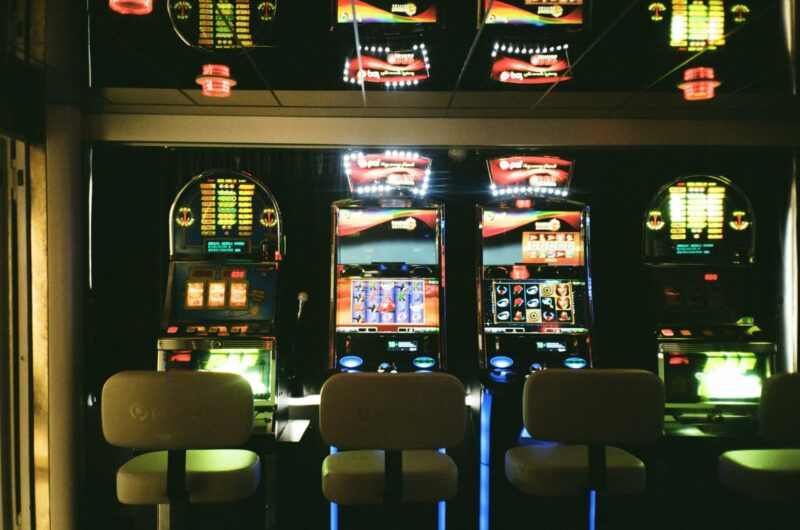

The history of slot machines tells the story of how simple mechanical reels became one of the most recognisable features of casinos around the world. What started as a bar-top curiosity has evolved into a digital industry that spans everything from classic fruit machines to online slots with hundreds of paylines.
It’s a timeline built on design changes, regulation, and technology. Not luck or chance. Each generation of slots reflects how players, engineers, and societies viewed games of chance in their own era.
The Birth of the Slot Machine: Liberty Bell and the Late 1800s
Most accounts of the history of slot machines begin with a San Francisco mechanic named Charles Fey. In 1895, he built the Liberty Bell, widely considered the first true slot machine.
It used three spinning reels, each displaying symbols like horseshoes, stars, and the Liberty Bell itself. When the reels aligned, they triggered a mechanical payout – coins dropping into a metal tray.
At the time, gambling was still illegal in most states, so many early machines disguised themselves as vending devices. Instead of cash, players received cigars or chewing gum as prizes. The design was simple, but it set a pattern still used today: spin, align symbols, receive a payout.
Early Mechanical Innovations
Through the early 1900s, engineers refined Fey’s design. New models used stronger mechanisms, automatic payouts, and a wider range of symbols.The Mills Novelty Company was one of the first to mass-produce slot machines, introducing colourful fruit symbols – cherries, lemons, and plums – that soon became iconic.
These early machines relied entirely on physics and gears. Every spin was powered by a pull of the lever, not by electricity or computers. It’s where the term “one-armed bandit” came from, reflecting both the lever on the side and the machine’s ability to take your coins quickly.
By the 1930s, slot machines had spread through bars, hotels, and amusement halls across America, despite ongoing restrictions on gambling.
The Electromechanical Era: Bally’s Breakthrough
A major shift in the history of slot machines came in 1963, when Bally released Money Honey, the first fully electromechanical slot. Electric motors replaced many of the mechanical parts, allowing for faster spins, automatic payouts, and new gameplay elements. Players no longer had to pull the lever, a button could now start each round.
The design also introduced a hopper system capable of handling up to 500 coins, which meant bigger potential prizes without manual refills.Casinos quickly saw the appeal. Electromechanical slots were more reliable, easier to maintain, and capable of new light and sound effects that drew attention on crowded gaming floors.
It marked the bridge between traditional engineering and the computer age that was just around the corner.
The Move to Video: 1970s and 1980s
By the late 1970s, video technology began reshaping the history of slot machines once again. The first true video slot appeared in 1976, built by the Las Vegas–based company Fortune Coin Co. Instead of physical reels, it used a 19-inch colour television screen to display virtual ones.
Initially, players were sceptical. Without moving parts, it felt unfamiliar. But after the Nevada Gaming Commission approved the technology, the machines spread rapidly. By the 1980s, digital logic boards replaced mechanical components entirely. This allowed for new features like multiple paylines, wild symbols, and bonus rounds.
What began as a single-reel novelty was now a software-driven game of probability and presentation.
Random Number Generators and the Modern Age
The introduction of random number generators (RNGs) in the 1990s changed everything. RNGs ensure that each spin is independent, random, and mathematically fair.
Instead of gears or levers determining results, every outcome is now calculated by complex algorithms. This made it possible to add new layers to slot design – dynamic paytables, interactive bonuses, and multi-reel setups.
It also meant that developers could design games with different levels of volatility. Players could choose between steady, low-risk play or high-variance games with fewer but larger wins.
The RNG is the foundation of modern slot gaming, and it remains the unseen engine behind every spin you make, whether in a land-based casino or an online casino.
The Rise of Online Slots
The history of slot machines took another leap in the mid-1990s when online casinos first appeared. Internet connections were slow, graphics were basic, but the idea was revolutionary – play from home with real stakes.
Early online slots were digital recreations of familiar fruit machines. As broadband spread, developers started experimenting with themes, animations, and soundtrack design.
By the 2000s, online slots had become a dominant category of casino gaming. Software studios like NetEnt, Microgaming, and Playtech built entire portfolios around digital slot design.
Titles such as Starburst and Gonzo’s Quest helped define the visual and gameplay standards still used today. They also introduced new mechanics like expanding wilds and cascading reels, made possible by pure software rather than physical constraints.
How Regulation Shaped the History of Slot Machines
Alongside technological change came regulation. From the 1950s onward, laws around gambling shaped how and where slot machines could operate.
In the United States, the 1961 Federal Wire Act and later gaming legislation pushed slot development into licensed casinos. In the UK, the Betting and Gaming Act of 1960 allowed regulated machines in pubs and clubs.
These legal frameworks turned what had been a grey-area pastime into a controlled industry.
Regulation also influenced machine design. Payout percentages (or RTPs) had to be certified, ensuring transparency for players. The move to digital systems made auditing easier, helping regulators verify that outcomes were fair and random.
Without these frameworks, the global slot industry would look very different today.
The Cultural Impact of Slot Machines
The history of slot machines isn’t just about technology; it’s also cultural.
Slots have appeared in films, songs, and everyday language. Phrases like “jackpot” and “spin the reels” have entered common use.
Classic fruit symbols became design icons, used in everything from fashion to emoji sets. The image of a slot machine – lever, reels, and coins – remains one of the most recognisable symbols of chance in modern culture.
Even as casinos have shifted online, that image still defines how people imagine gambling.
Slot Design and Player Psychology
Design trends throughout the history of slot machines reflect how developers respond to player behaviour.Mechanical slots offered straightforward play and simple reward cycles. Digital and online slots introduced sound, animation, and variable pacing to sustain engagement.
Developers balance risk and reward through features like volatility, free spins, and multipliers, each serving a psychological purpose. Colour, rhythm, and symbol design all contribute to how a slot feels. None of this changes the maths behind the spin, but it influences how players perceive it.
Understanding these design choices helps explain why certain slot styles, like classic fruit machines or five-reel video slots, have remained popular across generations.
From Casino Floors to Mobile Screens
Today, slot machines exist far beyond the casino floor. The move from physical cabinets to mobile apps represents one of the biggest changes in the history of slot machines.
Smartphones made slots portable. A game once tied to a single location could now be played anywhere with a data connection.
Developers adapted quickly creating vertical layouts, simplified interfaces, and fast-loading designs. The structure of gameplay stayed the same, but accessibility expanded dramatically.
This shift also led to more personalisation. Players could filter games by theme, volatility, or RTP, creating experiences tailored to individual preferences.
How Themes and Storytelling Evolved
Early slot machines focused purely on symbols and payouts. Modern slots incorporate narrative and visual identity.
The introduction of themes – from mythology to outer space – changed how players connected with games. Starburst, for instance, became one of the most recognised titles in online casino history not because of jackpots but because of its clean design and rhythmic flow.
Developers now treat each slot as a product with its own atmosphere and pacing. In a way, the evolution from Liberty Bell to Starburst mirrors the broader shift from mechanical engineering to digital storytelling.
Why the History of Slot Machines Still Matters
Understanding the history of slot machines gives context to how modern gaming works. It shows that behind the graphics and features lies a century-long process of refinement and regulation.
It also reminds us that every slot, whether it’s a three-reel fruit machine or a complex video game, follows the same core principles set over a hundred years ago: chance, design, and player interaction.
The innovations that define modern slot play didn’t appear overnight. They evolved through decades of mechanical, electrical, and digital experimentation.
The Next Chapter in Slot Machine History
The story isn’t finished. Developers continue to experiment with hybrid formats that blend live dealers, skill elements, and real-time streaming.
Virtual reality (VR) and augmented reality (AR) are likely to play roles in the next phase of slot design. These technologies could merge the feel of traditional cabinet machines with the interactivity of online platforms.
Yet, even as new formats appear, the foundation remains familiar. The spin of the reel, whether real or digital, still connects today’s games to the Liberty Bell’s first click over a century ago.
That continuity is what makes the history of slot machines so distinctive. Every innovation adds a layer, but the essence stays the same.
Looking Back, Looking Forward
From Charles Fey’s workshop to the servers running modern online casinos, slot machines have travelled further than most inventions in gaming history.They’ve shifted from metal gears to microchips, from bars to mobile apps, from single-symbol reels to immersive digital worlds.
What ties it all together is the same core mechanic – chance outcomes presented in a format that combines design and mathematics.Understanding that journey helps players see slots not as isolated games, but as part of a long technological and cultural evolution.
Betting is only available to participants aged 18 and over. Please bet responsibly. BeGambleAware.org.