
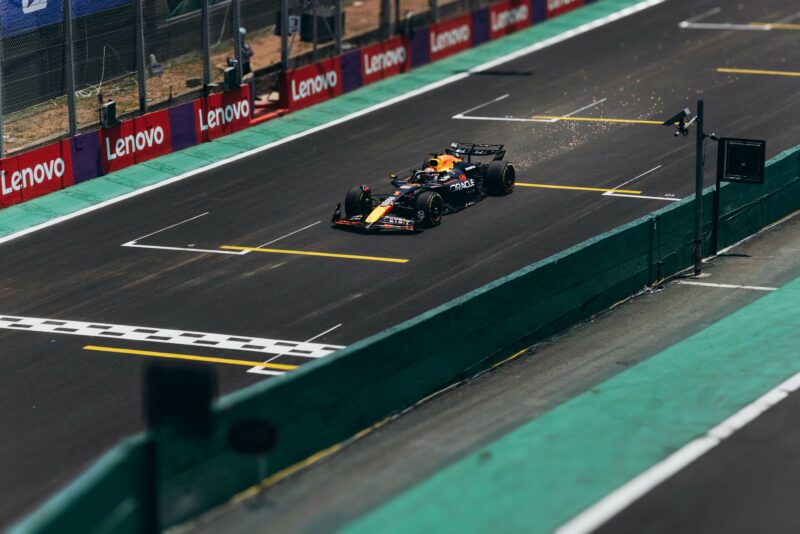

Formula 1 is often seen as predictable. The fastest car usually wins. Yet the deeper you look, the more layers appear. Weather, tyre strategy, pit stops, and team orders all influence outcomes, making each race more complex than it first seems.
For those learning how to bet on Formula 1, understanding these factors is essential. You’re not just betting on speed; you’re analysing performance, timing, and probability. This guide breaks down the main markets, how F1 odds are formed, and how to read the data before a race weekend.
Key Takeaways
- Learning how to bet on Formula 1 starts with understanding the structure of teams, circuits, and strategy.
- Focus on data – qualifying results, tyre choices, and reliability trends shape most races.
- Markets like podium finish, points, and head-to-head often offer better value than outright winner bets.
- Track conditions, weather, and safety cars frequently influence outcomes more than top-speed advantage.
- Consistency and record-keeping help refine future selections.
The Basics: What Does Betting on Formula 1 Involve?
At its core, Formula 1 betting follows the same structure as other sports markets. You choose an outcome, place a stake, and receive a return if your prediction proves correct.
Unlike football or tennis, F1 doesn’t offer constant scoring opportunities. It’s a sequence of timed laps where fractions of a second separate drivers. Because of that, betting focuses on finishing positions, qualifying results, and long-term championship performance rather than single events.
The most common markets include:
- Race Winner: Which driver finishes first.
- Podium Finish: A bet on a driver finishing in the top three.
- Fastest Lap: The driver who records the quickest single lap in the race.
- Head-to-Head: One driver to finish ahead of another.
- Constructor Bets: Predictions based on team results rather than individuals.
Each carries a different level of volatility and reward.
Understanding the Role of Teams and Constructors
Before looking at individual drivers, it helps to remember that Formula 1 is built around teams. Each constructor (such as Red Bull, Mercedes, Ferrari, or McLaren) runs two cars, often with different set-ups, strategies, or driver styles.
When learning how to bet on Formula 1, consider how teams operate:
- Resource Difference: Top teams spend more on aerodynamics and engines, giving them consistent front-running pace.
- Team Orders: In some races, one driver may be told to hold position to protect a teammate’s result.
- Reliability: Even fast cars can retire through mechanical issues or collisions.
Because constructors influence results heavily, many bettors analyse team trends before looking at individual driver form.
How to Read Race-Week Trends
Each race weekend follows a pattern. Practice, qualifying, and the main event. Each offering clues before betting markets settle.
- Free Practice (FP1–FP3): Useful for spotting long-run pace and tyre behaviour.
- Qualifying: Determines the starting grid and reveals outright speed.
- Race Simulation Data: Helps estimate how a car will perform over longer stints.
Tracking these sessions builds context. A car that looks dominant in qualifying might still fade on race day if tyre wear is poor or track temperatures shift.
Many experienced bettors adjust positions after Saturday’s qualifying rather than before Friday’s first practice, when information is limited.
Key Markets in Formula 1 Betting
1. Race Winner
This is the simplest market and often dominated by one or two names. Favourites tend to start short-priced, reflecting their record and current machinery.
Backing a winner at low odds may not appeal to everyone. Some bettors combine the race winner with other selections – such as fastest lap – for better returns.
In seasons where one team dominates, alternative markets often provide more variety.
2. Podium Finish
A more flexible market where you back a driver to finish in the top three. It can offer good value for midfield teams during unpredictable races or circuits known for chaos, such as Monaco or Singapore.
3. Points Finish
Formula 1 awards points to the top ten drivers. This market lets you bet on who makes that list. It’s a useful way to follow midfield battles where margins are small but opportunities appear regularly through retirements.
4. Head-to-Head Driver Bets
Bookmakers pair two drivers – often teammates or rivals – and you bet on who finishes higher. It removes the distraction of race winner odds and focuses purely on relative performance.
For example, “Alonso vs. Stroll” might offer near-even odds depending on recent results.
5. Constructor Markets
These include team-based wagers such as “Winning Constructor” or “Both Cars to Finish in the Points.” Because car performance tends to mirror across teammates, this market offers a balanced view of engineering strength.
6. Fastest Lap
Awarded to the driver with the quickest single lap during the race. Late pit stops for fresh tyres often distort this outcome, making it an unpredictable but interesting side market.
7. Safety Car and Race Events
You can also bet on whether a Safety Car will appear, the number of finishers, or whether a specific driver retires. Circuits with narrow tracks and barriers — like Monaco — historically have higher Safety Car probabilities.
Outright and Futures Betting
Beyond individual races, Formula 1 offers season-long markets:
- Drivers’ Championship: Predicting who wins the title across the full calendar.
- Constructors’ Championship: Backing the most successful team overall.
- Top Six or Top Ten Finish: Long-term versions of race-day markets.
These are often called outright or futures bets. They reward consistent form and reliability rather than a single race surprise.
Timing matters. Early in the season, prices for outsiders may be generous. As results accumulate, the market narrows quickly.
Live and In-Play Betting in Formula 1
Modern platforms now support in-play betting, allowing adjustments as the race unfolds.
Key examples include:
- Next Pit Stop: Predicting who will stop first within a window.
- Lead Change Markets: Will the leader remain ahead after the next lap?
- Safety Car Introduced: Updated as conditions evolve.
These markets depend heavily on reaction time and information flow. Data updates every few seconds, so speed of decision is critical.
While in-play betting adds flexibility, it also increases volatility. Prices shift sharply after every crash, penalty, or mechanical failure.
What Moves Formula 1 Odds
To understand how to bet on Formula 1, you must know what influences the odds. Traders and algorithms adjust prices constantly based on:
- Qualifying Results: Front-row starters naturally shorten in price.
- Track Characteristics: High-downforce circuits favour certain cars.
- Tyre Allocations: Soft compounds degrade faster but offer initial pace.
- Weather Forecasts: Rain reshuffles everything, levelling performance gaps.
- Grid Penalties: Engine changes or component swaps can push drivers back before the race even starts.
- Team Form: Upgrades and developments shift performance week to week.
Understanding how each factor interacts lets you identify when odds don’t reflect real probability.
Analysing Circuits and Historical Data
Every track has distinct traits – corner speed, overtaking zones, and surface grip – which affect race outcomes.
When researching how to bet on Formula 1, compare these metrics:
- Monaco: Tight layout, minimal overtaking. Qualifying positions are decisive.
- Monza: High-speed straights reward power units.
- Singapore: Street circuit with frequent Safety Cars.
- Silverstone: Balanced circuit; aerodynamics play a major role.
Historical race data shows patterns. For instance, 70% of Monaco races in the last decade were won from pole position. Understanding those tendencies helps choose markets suited to each track.
Strategy and Pit Stops
Formula 1 races are shaped by tyre strategy – when to pit, which compound to use, and how long each set lasts.
Tyres degrade at different rates:
- Soft: Fast but wears quickly.
- Medium: Balanced choice for standard conditions.
- Hard: Durable but slower in short bursts.
Teams plan pit stops using simulations, but unexpected Safety Cars or temperature changes can alter those plans.
For bettors, this means flexibility. A driver on an alternative strategy might rise through the field late in the race, turning an underdog pick into value for points or podium markets.
The Impact of Weather on F1 Betting
Rain is the great equaliser in Formula 1. It reduces grip, increases mistakes, and often leads to mixed results.
Wet races make predicting winners harder but can open opportunities in markets like “Top Six Finish” or “Both Cars to Score Points.” Drivers known for wet-weather control – like Verstappen, Hamilton, or Alonso – often outperform their machinery in these conditions.
When weather is uncertain, odds may fluctuate until lights out. Tracking radar updates can reveal timing gaps between bookmaker adjustments and public perception.
Avoiding Common Betting Pitfalls
Betting on Formula 1 rewards analysis, not assumption. A few common mistakes include:
- Backing the favourite every race: Even dominant cars can retire or struggle with track-specific weaknesses.
- Ignoring reliability: Mechanical issues cause multiple DNFs each season.
- Overvaluing one data point: Fastest lap in practice doesn’t always translate to race performance.
- Chasing long shots: High odds are appealing but rarely reflect realistic probability.
Balance data with logic. Small differences such as pit timing, track position, or tyre wear, can often decide races more than raw pace.
The Role of Constructors vs Drivers in Betting Outcomes
Teams can prioritise one driver strategically, especially late in the championship. Recognising when this might happen helps interpret odds shifts.
For instance, if Red Bull directs strategy around its title contender, the teammate’s podium chances may drop despite equal speed. Betting markets often lag slightly behind these internal dynamics.
Following team radio transcripts, post-race interviews, and upgrade news can highlight subtle advantages before odds adjust.
Using Data Tools and F1 Statistics
The Formula 1 data ecosystem is rich and public.
Key resources include:
- Lap time charts for pace consistency.
- Sector analysis for identifying strengths by track section.
- Pit stop duration stats to assess team efficiency.
- Weather telemetry for historical comparisons.
Combining these numbers builds a realistic picture of each team’s form curve.
A practical approach is to track metrics like qualifying gap to the leader or average pit time across three events. These indicate whether improvements are mechanical or situational – essential context before placing bets.
Example: Applying Strategy to an Actual Race
Consider a race weekend at the Hungarian Grand Prix, known for limited overtaking and heavy tyre wear.
Here’s how a bettor might approach it:
- Track analysis: Tight corners, short straights. Qualifying position is crucial.
- Team trends: Historically, Red Bull and Ferrari perform well in high-downforce setups.
- Weather forecast: Hot conditions increase tyre degradation, favouring teams with efficient cooling.
Based on these insights, realistic markets might include:
- Pole sitter to win (statistically strong correlation at this track).
- A midfield driver to finish in points due to attrition.
- Safety Car to appear (common on narrow circuits).
Each selection ties to measurable variables rather than guesswork.
Long-Term Betting Strategy
While single races provide weekly action, consistent performance tracking across the season can be more effective.
When learning how to bet on Formula 1, consider developing a season log:
- Record team pace after upgrades.
- Note circuits that favour specific car traits.
- Track penalty frequency and DNFs.
This builds an evidence base for future races. For example, if a car excels on high-speed tracks, Monza and Jeddah may present repeat opportunities.
How to Manage Bankroll and Risk
F1 betting involves fewer events than weekly sports, so patience matters.
- Set clear limits per weekend. Avoid chasing outcomes across multiple markets.
- Prioritise research over reaction. Markets move quickly after practice and qualifying.
- Diversify markets cautiously. Combine main bets (like points finish) with one small speculative pick if desired.
The aim isn’t volume but measured exposure aligned with real-world probabilities.
The Future of Formula 1 Betting
As technology improves, betting markets will expand beyond traditional outcomes. Data-driven tools already provide real-time sector updates, allowing micro-markets like “Next Driver to Pit” or “Lap Time Under/Over.”
Artificial intelligence may soon model race probability in greater detail, adjusting odds dynamically based on live telemetry.
While this makes markets more responsive, the fundamentals stay the same: read data, understand context, and manage risk.
Formula 1 remains a technical sport where precision, preparation, and timing decide success, for both drivers and bettors who follow the numbers carefully.
Betting is only available to participants aged 18 and over. Please bet responsibly. BeGambleAware.org.